Lank CoreLab
Precision testing, results you can act on.

News & Announcements

Articles
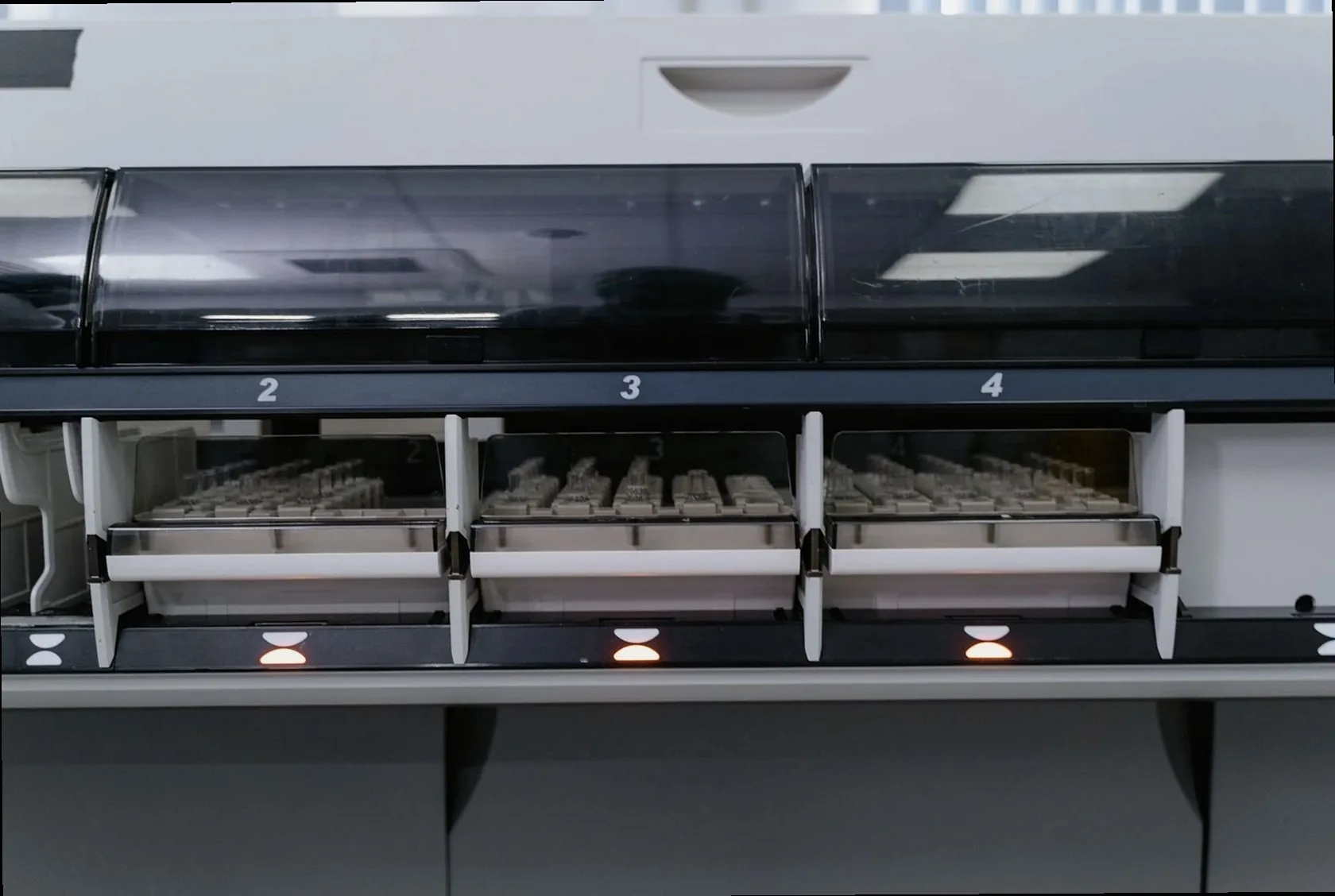
Bench-top analytical instrument in the laboratory
2026-08-31 · Seasonal offers

Chain of custody in laboratory testing: why it matters

Chain of custody (CoC) is the documented record of who collected a sample, how it was stored and transported, when it arrived at the laboratory, and how it was handled through the analytical process. For most routine testing, it runs in the background without anyone thinking about it. For results that will be used in a legal dispute, a regulatory submission, or a property transaction, it becomes the thing that determines whether the result is accepted or challenged. Read more →

2026-08-12

Allergen testing for small food producers: a practical overview

Under Japan's Food Labelling Act (Shokuhin Hyoji-ho), food businesses that sell pre-packaged food are required to declare the eight specified allergens on the label, and the Consumer Affairs Agency recommends declaring a further twenty. For small producers, this has made allergen testing a practical necessity rather than an optional extra. This article covers what ELISA-based allergen testing involves, what it can and cannot confirm, and how to use the results in your labelling process.

2026-07-13

What private water supply testing actually involves

A small share of properties in rural Japan still rely on a private well or spring supply rather than a municipal mains connection. For most of those households, testing is either a legal requirement or a practical necessity, but the process is less well understood than it should be. This article covers what a standard test involves, which parameters are most relevant, and what to do when a result comes back above the threshold.

2026-06-07

Should you test your soil before growing vegetables?

Most people who grow vegetables in their garden never test the soil, and for most gardens that is probably fine. But if your plot has an uncertain history, if it was previously industrial land, or if it is on a street where lead paint and leaded petrol have been accumulating in the topsoil for decades, a basic screen is a reasonable precaution before you start growing food.

2026-05-04

VOC testing and indoor air quality: what the numbers mean

Volatile organic compounds (VOCs) are emitted by several building materials, furnishings, adhesives, paints, and cleaning products. In a well-ventilated space, most VOCs disperse quickly. In a tightly sealed new build or a recently renovated room, they can accumulate to levels that cause irritation or, in some cases, longer-term health concerns. VOC testing is the way to find out what is actually present and at what concentration.

2026-04-08

ISO/IEC 17025 accreditation: what it means for you

When you commission a laboratory test, you are trusting the result. ISO/IEC 17025 is the international standard that sets out what a competent testing laboratory looks like: how it manages its equipment, validates its methods, handles samples, and reports results. Accreditation to this standard means an independent body has audited the lab against those requirements and found it compliant.

2026-03-31

How bulk asbestos identification by PLM works

Polarised light microscopy (PLM) has been the standard method for identifying asbestos fibre type in bulk material samples for several decades. It is relatively affordable, does not require specialist site access, and produces a result that is accepted by licensed contractors, building surveyors, and local authorities. Understanding what the method involves helps you interpret the result correctly and decide whether further investigation is needed.

Follow us

Precision testing, results you can act on.. Write to us

Usually a reply within a working day.
See all news

Precision testing, results you can act on.