Allergen testing for small food producers: a practical overview
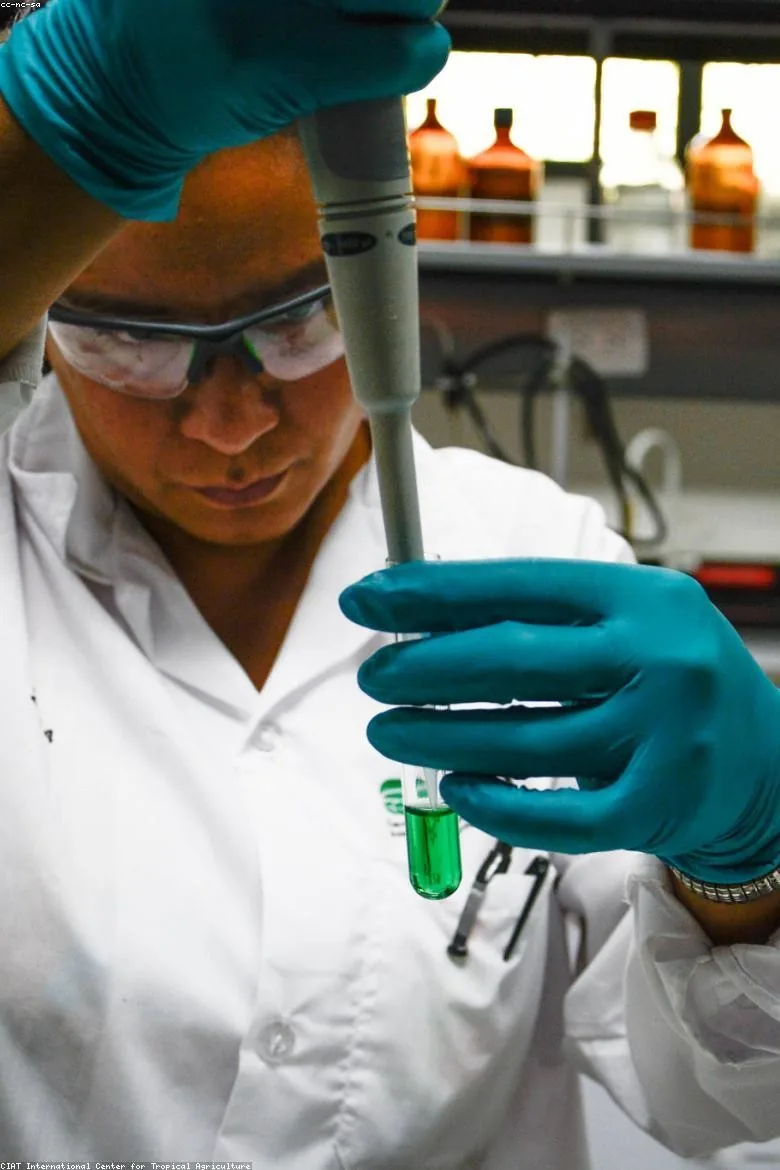
Under Japan's Food Labelling Act (Shokuhin Hyoji-ho), food businesses that sell pre-packaged food are required to declare the eight specified allergens on the label, and the Consumer Affairs Agency recommends declaring a further twenty. For small producers, this has made allergen testing a practical necessity rather than an optional extra. This article covers what ELISA-based allergen testing involves, what it can and cannot confirm, and how to use the results in your labelling process.
What ELISA testing detects
ELISA (enzyme-linked immunosorbent assay) is the standard method for detecting the presence of specific allergen proteins in food. The test uses antibodies that bind to the target allergen protein; the strength of the binding response indicates the concentration present. It is sensitive, relatively fast, and well-suited to screening for the eight specified allergens and twenty recommended items listed under Japanese food labelling rules.
ELISA testing tells you whether a specific allergen protein is present above a detection threshold in the sample you submitted. It does not tell you whether cross-contamination will occur in future production runs, and it does not replace a documented allergen management procedure in your kitchen or production facility.
The limits of a single test
A single allergen test result is a snapshot of one production batch. If your recipe or your suppliers change, the result may no longer be representative. For labelling purposes, allergen testing is most useful as a verification tool: you have documented your recipe, identified the allergen risks, and the test confirms that your process is working as intended.
Where a test result is being used to support a 'free from' claim, the requirements are more stringent. A 'free from gluten' claim, for example, requires the product to contain less than 20 parts per million of gluten, and the testing and production controls need to be enough to support that claim consistently, not just in a single batch.
Preparing your sample for submission
For microbiological and allergen testing, the sample needs to be representative of the finished product as it would be sold. Send a sealed, labelled sample of at least 100g, kept at the appropriate temperature for the product type. Include a note of the product name, the date of production, and the ingredients used. If you are testing for a specific allergen because of a supplier change, note that on the submission form.
Lank CoreLab's combined microbiological and allergen panel covers both sets of parameters in a single submission and produces a single integrated report. If you are preparing for a retailer audit or a local authority inspection, get in touch with us and we can advise on what the receiving party is likely to expect.