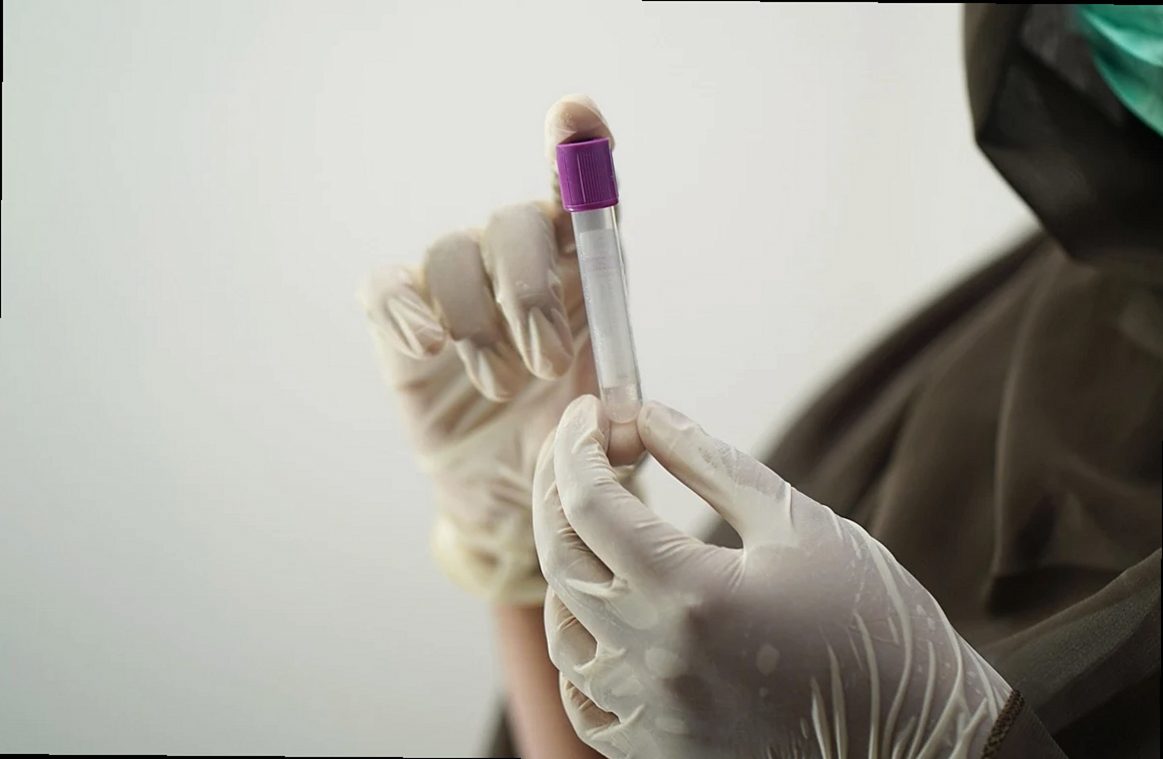
Lank CoreLab provides independent laboratory analysis for environmental, material, and food-safety samples, with plain-language reports that tell you what the numbers actually mean.
Chain of custody (CoC) is the documented record of who collected a sample, how it was stored and transported, when it arrived at the laboratory, and how it was handled through the analytical process. For most routine testing, it runs in the background without anyone thinking about it. For results that will be used in a legal dispute, a regulatory submission, or a property transaction, it becomes the thing that determines whether the result is accepted or challenged.
Under Japan's Food Labelling Act (Shokuhin Hyoji-ho), food businesses that sell pre-packaged food are required to declare the eight specified allergens on the label, and the Consumer Affairs Agency recommends declaring a further twenty. For small producers, this has made allergen testing a practical necessity rather than an optional extra. This article covers what ELISA-based allergen testing involves, what it can and cannot confirm, and how to use the results in your labelling process.
A small share of properties in rural Japan still rely on a private well or spring supply rather than a municipal mains connection. For most of those households, testing is either a legal requirement or a practical necessity, but the process is less well understood than it should be. This article covers what a standard test involves, which parameters are most relevant, and what to do when a result comes back above the threshold.
We sent a borehole water sample after our usual lab quoted a three-week turnaround. Lank CoreLab had results back in four days, and the report actually explained what the iron levels meant for our intended use.
Rachel Pemberton · Independent property developer
“
As a small jam producer trying to get onto a supermarket listing, I needed allergen and composition data fast. Alan walked me through exactly what I needed and the report was formatted in a way the retailer accepted first time.
Tom Griffiths · Small-batch food producer
“
The asbestos ID report was clear, properly referenced, and arrived in two days. Our contractor could proceed without delay. I have used three other labs over the years and this was the most straightforward experience.
Diane Okafor · Building surveyor
A few words from clients. Every project is different, and so are outcomes.
Proprietor
With respect
Alan Yardley
Founder, Established since 2017
Alan Yardley spent eleven years in analytical chemistry before founding Lank CoreLab in 2017, most recently as a senior analyst at a regional environmental testing consortium where he oversaw soil and water quality programmes across three prefectures. A persistent frustration with turnaround times and opaque reporting led him to build a smaller, more direct operation. He holds an MSc in Environmental Analytical Chemistry and is a member of the Chemical Society of Japan. Outside the lab, he keeps a vegetable plot and is an intermittent but enthusiastic amateur astronomer. His guiding principle: a result is only useful if the person receiving it understands what it means.
We email you a submission form and sample-specific collection guidelines before you send anything. For water samples that means sterile bottles and a maximum transit time of 24 hours; for soil it means sealed, labelled bags with a note of depth and location. If you are unsure, ring us before you collect. A badly collected sample cannot be re-run without going back to site.
Q02
How long will my results take?
Standard turnaround is five working days from the day we confirm receipt of your sample. Asbestos identification is three working days. If you need results faster, ask when you submit and we will tell you honestly whether it is possible for your particular test. We do not offer a blanket rush service because not every test can be accelerated without compromising accuracy.